← All eight fields

Gene Therapy & Delivery

Foundational36%

This field studies, as one whole, the technology that rewrites and cures flaws in the body's blueprint (the genes), and the "precision delivery" (drug delivery) that carries those treatment components safely and accurately to the cells they are aimed at.

A small truck carrying a blueprint scroll, on its way to a cell

1. What is this field?

Behind aging lies a process in which, with age, damage accumulates in the genes and the way genes work falls into disorder, so that cells throughout the body decline little by little. This field stands on two wheels: the tools that fix the blueprint itself (editing technology), and the vehicles that deliver them to the aimed places throughout the body (delivery technology).

Three tools that rewrite genes

CRISPR-Cas9: a first-generation technology that cuts the DNA strand at an aimed place, like scissors, and rewrites the gene using the cell's power to repair itself.

Base editing: a second-generation technology that, without cutting the DNA strand, rewrites just one "letter" of the blueprint, pinpointed, with less damage.

Prime editing: the most precise, third-generation technology, which — like a computer's "search and replace" — can freely substitute letters and insert or delete short sequences, all without cutting the DNA.

Two vehicles that deliver to the aimed cells

Virus vectors (AAV and others): a virus rendered harmless is used as a "carrier" to deliver therapeutic genes into cells.

Lipid nanoparticles (LNP): technology that wraps a gene's instruction sheet (such as mRNA) in tiny particles of fat and delivers it; it was also used in the COVID-19 mRNA vaccines.


2. Where the research stands

Readiness score: 36 out of 100 (0 = still at the idea stage, 100 = a treatment anyone can receive)

36%

+ Frontline

The world's first genome-editing drug approved: in December 2023, the US Food and Drug Administration (FDA) approved Casgevy, the first treatment drug using CRISPR-Cas9 (for sickle cell disease, a serious disease of the blood).

Success also in treatment that rewrites genes directly inside the body: even in organs that cannot be taken out of the body as blood can, a clinical trial succeeded in 2021 in using lipid nanoparticles (LNP) to edit a gene in the liver directly inside the body, greatly reducing a disease-causing protein.

Next-generation precision editing also into trials: clinical trials using base editing and prime editing, which rewrite without cutting DNA, are already more than 28 in number worldwide, and in 2025 an individualized treatment succeeded for the first time in a baby born with a metabolic abnormality.

− Remaining challenges

The wall of delivering to "the aimed organs throughout the body": today's treatments center on blood cells, which can be taken out of the body, or the liver, where drugs naturally gather. Viruses (AAV) provoke immune reactions and are hard to use more than once, and most fat particles (LNP) are drawn into the liver — so technology to deliver evenly to the heart, the brain, and muscles throughout the body is still developing.

Extremely high cost: today's treatments are mostly bespoke, processing cells patient by patient, and a single treatment costs on the scale of hundreds of millions of yen. To make them an aging prevention anyone can receive, a system for mass production is indispensable.

The outlook for editing is now clear. The remaining walls are delivery and cost.

This field's value lies in being able to act directly, body-wide, on the damage to genes and the disorder in how they work that underlie aging. If whole-body delivery is added to precise editing, intervention shifts from treating single diseases to intervening in decline itself — and that brings longevity escape velocity (LEV), the state where the speed of longer life overtakes the speed of aging, closer. On this site's prediction, LEV could arrive as early as 2061.

3. The researchers

Here are three central researchers who built this field.

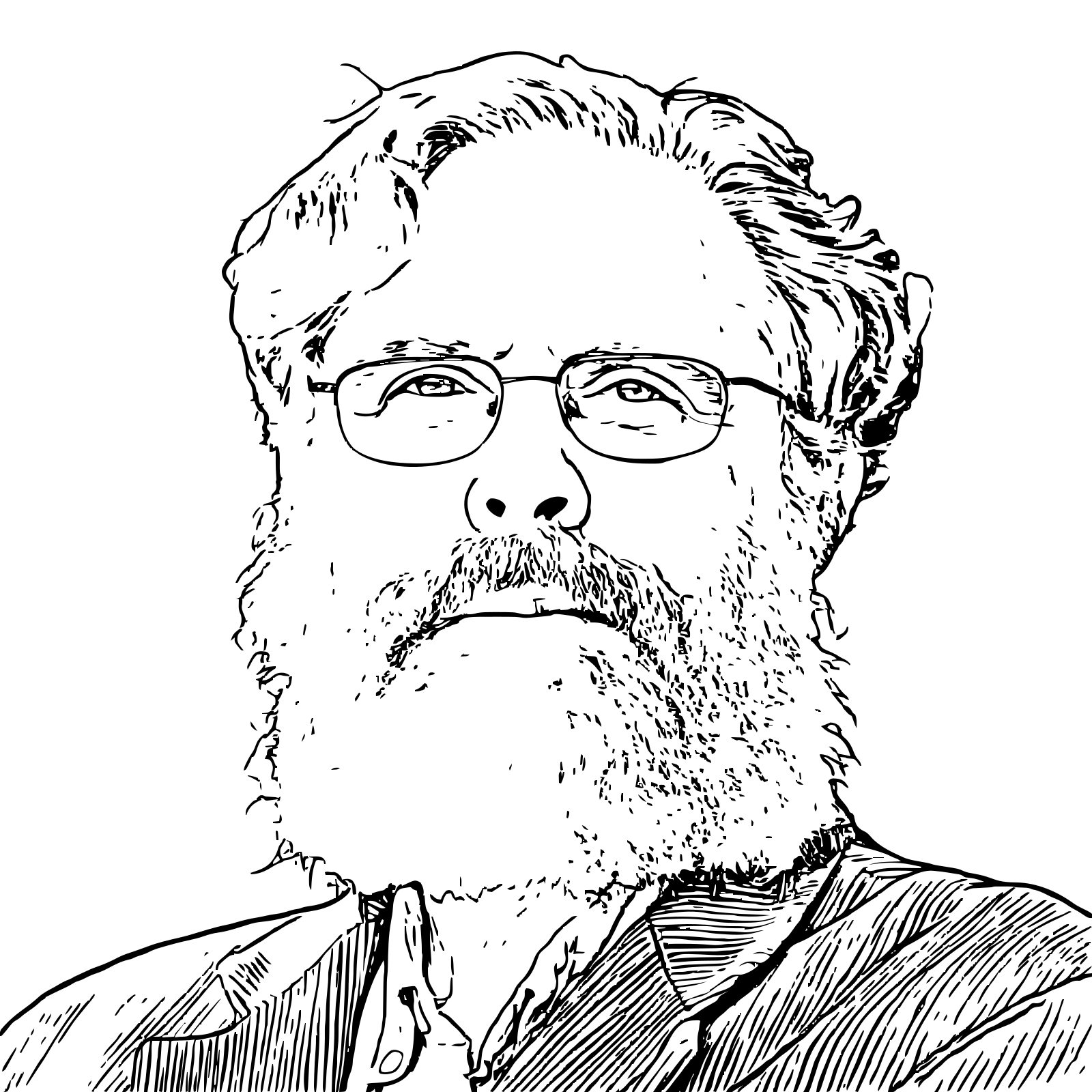
Illustration of George Church

George Church

Professor, Harvard Medical School / Professor, MIT

Church is a giant who has opened up modern genetic engineering, from reading genes to genome editing. In 2013 he demonstrated, ahead of the world, that CRISPR-Cas9 could be used in human cells. He also took up application to aging research early, and in 2019, by delivering three longevity-associated genes to mice, succeeded in improving four conditions at once: obesity, diabetes, heart failure, and kidney failure. At Rejuvenate Bio, which he co-founded, practical use is being advanced starting from the treatment of heart disease in pet dogs.

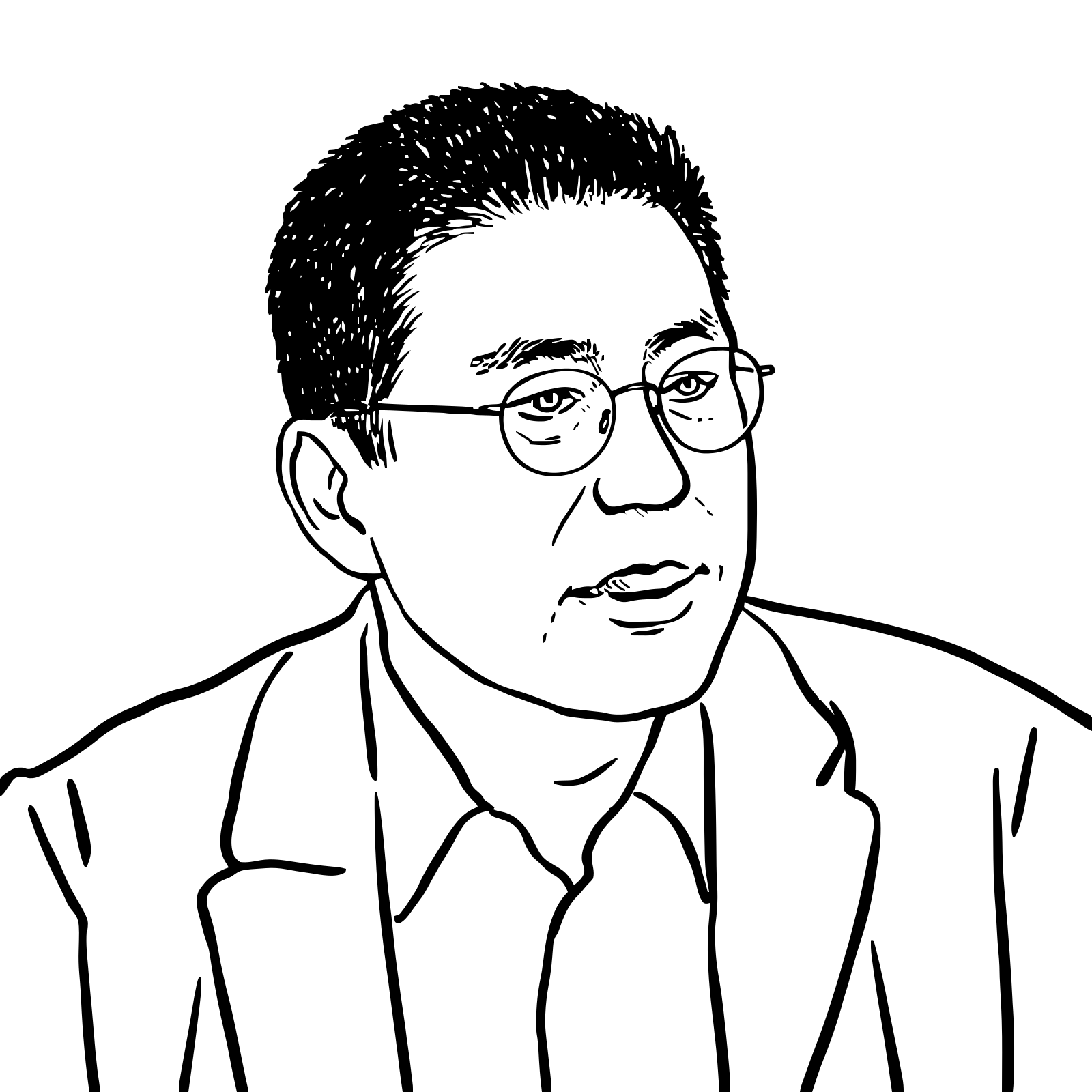
Illustration of Feng Zhang

Feng Zhang

Core member, Broad Institute / Professor, MIT

Zhang is the researcher who adapted CRISPR-Cas9 — a bacterial mechanism — so it could be used in human and mouse cells, and built the foundation of the world's first genome-editing drug, approved in 2023. He also devotes effort to improving the technology that delivers drugs (LNP), and in 2025 he delivered factors that restore immunity weakened by age, as mRNA, to the liver of mice, and succeeded in rejuvenating the immune power of aged mice. "If we can restore something essential like the immune system," he says, "we can greatly extend the period in which people live in good health."

Illustration of David Liu

David Liu

Professor, Broad Institute / Professor, Harvard University

Liu is the chemist and biologist who invented base editing (2016) and prime editing (2019), which rewrite DNA accurately, letter by letter, without cutting its double helix, and received the Breakthrough Prize in Life Sciences in 2025. Using gene therapy as a measure against aging in healthy people requires the safety of "absolutely never damaging anywhere but the aimed place" — so the no-cutting editing technology Liu devised is seen as an indispensable trump card for future anti-aging medicine.

4. Related news

For informational purposes only. Not medical advice.