
Major diseases and the frontier of treatment
Many of the diseases that become more familiar with age are still difficult to cure completely, even with today's medicine.
Here we have summarized the main kinds of disease, today's standard treatments, and what is moving at the frontier. How far each treatment has come is shown as [In clinical use], [In trials], [Research stage], or [In development]. Please use this page as a starting point for thinking about your own future.
Cancer
Cancer is a disease in which the body's cells keep multiplying on their own, destroying surrounding tissue as they spread. It has long been among the leading causes of death in Japan.
[In clinical use] Medicines that make use of the body's own power to find and attack pathogens and abnormal cells (immunity), and medicines that target only the weaknesses that cancer cells have, have increased, and the kinds of cancer they work on have gradually widened.
There are many kinds of cancer, and how treatment is progressing differs greatly from one kind to another, so this page gives only a summary.
Dementia (Alzheimer's disease)
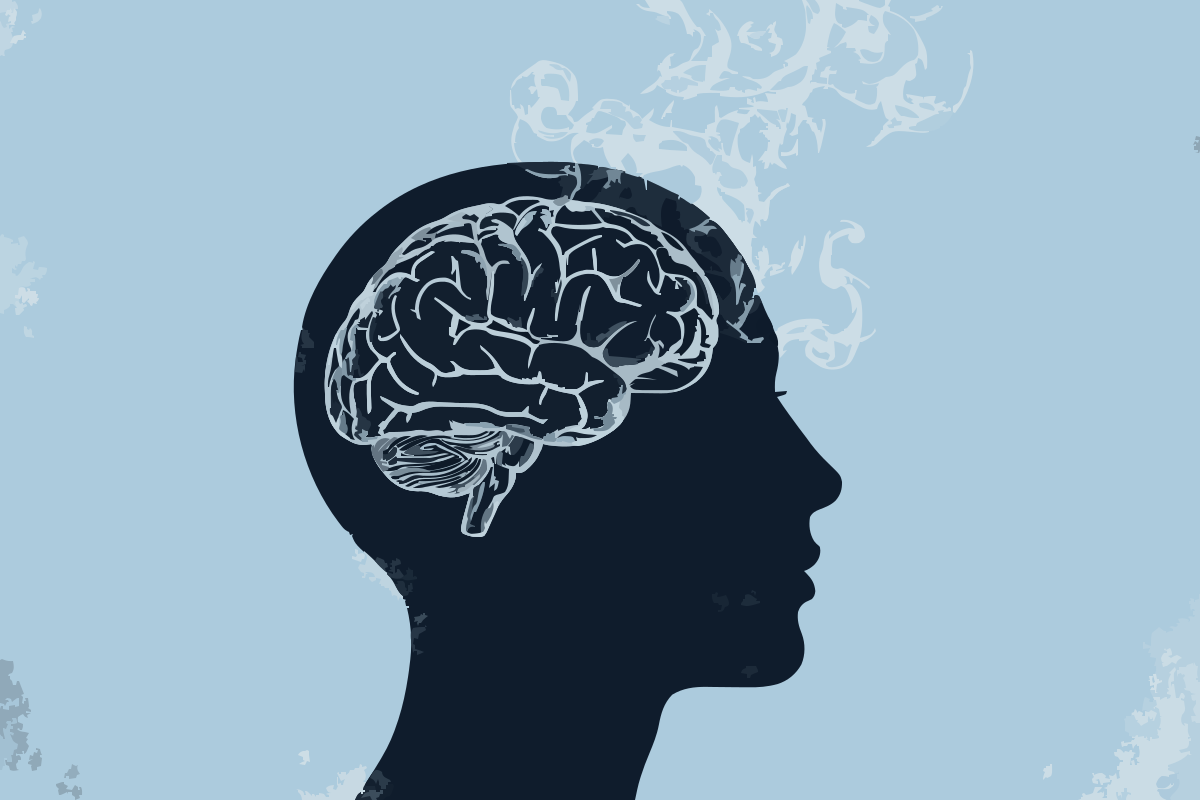
Types of disease
Dementia is a general term for a state in which the brain's functioning has declined, to the point where it interferes with everyday life.
The most common type is the Alzheimer's type, in which abnormal proteins build up in the brain and the nerve cells responsible for memory decrease. The next most common is the vascular type, which occurs as an after-effect of a blocked or burst blood vessel in the brain (cerebral infarction or cerebral hemorrhage). There are also other types, including the Lewy body type, characterized by seeing things that are not there and by shouting out during sleep, and the frontotemporal type, which begins with changes in personality and behavior.
Where treatment stands today
[In clinical use] Medicines that reduce the causative substance (lecanemab and donanemab): For the Alzheimer's type, medicines that remove the abnormal protein that causes it can now be used. However, they are limited to people at a very early stage (from mild cognitive impairment to mild dementia), and the buildup of the causative substance must be confirmed with a PET scan or a cerebrospinal fluid test. These medicines slow the progression; they do not restore memory that has been lost. During treatment, regular brain imaging is essential to check for side effects. Simpler blood tests are also moving toward practical use.
Other types of dementia: For other types, such as the vascular type, there are as yet no medicines that act on the cause itself. Medicines that ease the symptoms, together with support for daily life through care and rehabilitation, are the center of treatment.
Latest news on dementia
2026-11-08 · ScienceDaily
Stronger flu shot linked to nearly 55% lower Alzheimer's risk2026-11-07 · ScienceDaily
Drinking 2–3 Cups of Coffee Daily Linked to Lower Dementia Risk2026-11-06 · ScienceDaily
An anti-aging drug may help protect the brain before Alzheimer's symptoms begin2026-11-05 · ScienceDaily
Scientists discover mysterious “lonely” brain waves linked to memory loss2026-11-03 · ScienceDaily
New Drug Shows Promise in Repairing DNA Damage in Alzheimer’s Disease
Heart disease (heart attack and heart failure)
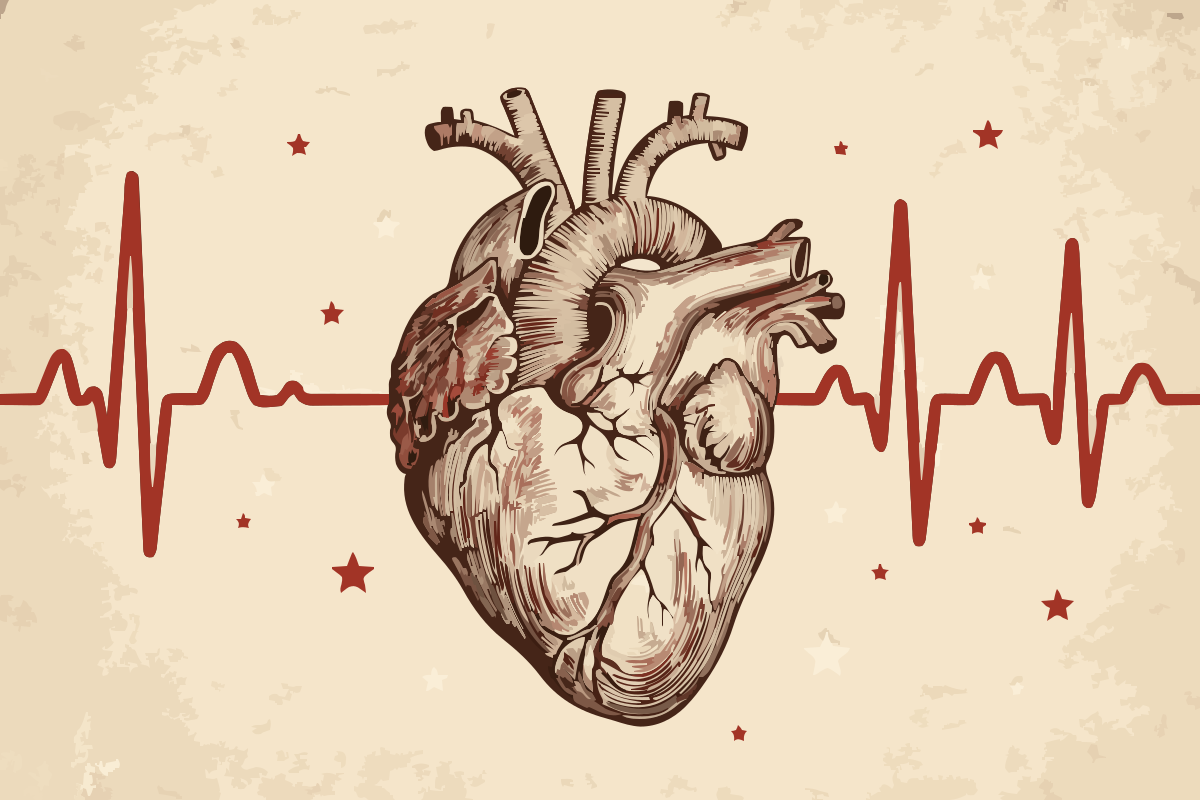
Types of disease
Heart diseases include angina, in which the coronary arteries that send blood to the heart become narrow; myocardial infarction (heart attack), in which one becomes completely blocked and the heart muscle dies; heart failure, in which the pumping function declines; arrhythmia, in which the heartbeat becomes irregular; and valvular disease, in which a valve no longer closes properly. Most of these are triggered by the aging of the blood vessels, in forms such as high blood pressure and arteriosclerosis.
Where treatment stands today
[In clinical use] Catheter treatment and the four standard medicines: For a heart attack, the basic treatment is to widen the blocked vessel with a thin tube (a catheter), and the faster it is done, the more heart muscle can be saved. For heart failure, treatment combining four kinds of oral medicine that reduce the burden on the heart has become the standard, and people are now able to live actively for longer than before.
[In clinical use] Heart-muscle sheets made from iPS cells (conditionally approved in 2026): For severe heart failure that does not improve with existing treatments, regenerative medicine that applies a sheet of artificially grown heart muscle onto the heart has begun. The facilities able to provide it are limited, and its effectiveness and safety are being verified while actual treatment continues.
[In trials] A treatment that delivers clusters of heart-muscle cells: Instead of a sheet, a less burdensome method — injecting heart-muscle cells formed into small clusters directly into the heart — is also being tested.
Stroke
Types of disease
Stroke falls into three types: cerebral infarction, in which a blood vessel in the brain becomes blocked; cerebral hemorrhage, in which one bursts; and subarachnoid hemorrhage, in which an aneurysm (a bulge) in an artery on the brain's surface ruptures. The most common is cerebral infarction. The biggest causes are high blood pressure and arteriosclerosis, but there are also many cases in which a blood clot (thrombus) formed inside the heart because of atrial fibrillation (a kind of arrhythmia) travels to the brain and blocks a vessel there.
Where treatment stands today
[In clinical use] A race against time: clot treatment: For cerebral infarction, within four and a half hours of onset, a drip that dissolves the clot can be used. When a large vessel is blocked, there is also a treatment that removes the clot directly with a catheter, and if the conditions are met, it can be performed up to a maximum of 24 hours after onset. For cerebral hemorrhage, treatment centers on lowering blood pressure and on surgery.
Prevention and rehabilitation: In every case, early rehabilitation is the key to recovery, but even when a life is saved, it is not uncommon for paralysis of the limbs or speech difficulties to remain. Everyday prevention, such as managing blood pressure, matters most of all.
Diabetes
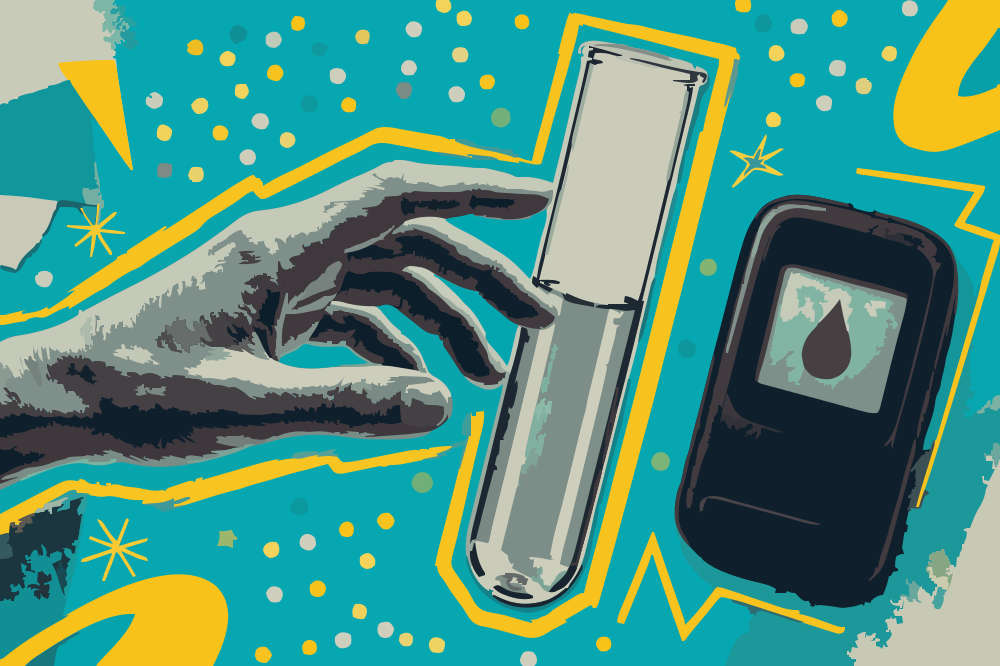
Types of disease
Diabetes is a disease in which insulin, the hormone that lowers blood sugar, does not work well enough, and sugar overflows into the blood. If left untreated, the blood vessels are damaged, causing serious complications in the eyes, kidneys, and nerves.
There are two types: type 1, in which the cells that make insulin are destroyed by an abnormality of the immune system, and type 2, in which constitution combines with overeating and lack of exercise. The large majority of cases are type 2.
Where treatment stands today
[In clinical use] Medicines that prevent complications, and automatic management devices (type 2): Oral medicines and injections that reduce body weight and also protect the heart and kidneys have become widespread. Small sensors that measure blood sugar at all times, and pumps that inject insulin automatically, have also advanced.
[In trials] Transplanting insulin-secreting cells grown from stem cells (type 1): For type 1, a final-stage trial of transplanting cells grown from stem cells is under way. Many cases in which insulin injections were no longer needed have been reported; on the other hand, immunosuppressants must be kept being taken to hold down rejection, and there is as yet no outlook for when it will come into practical use.
Chronic kidney disease
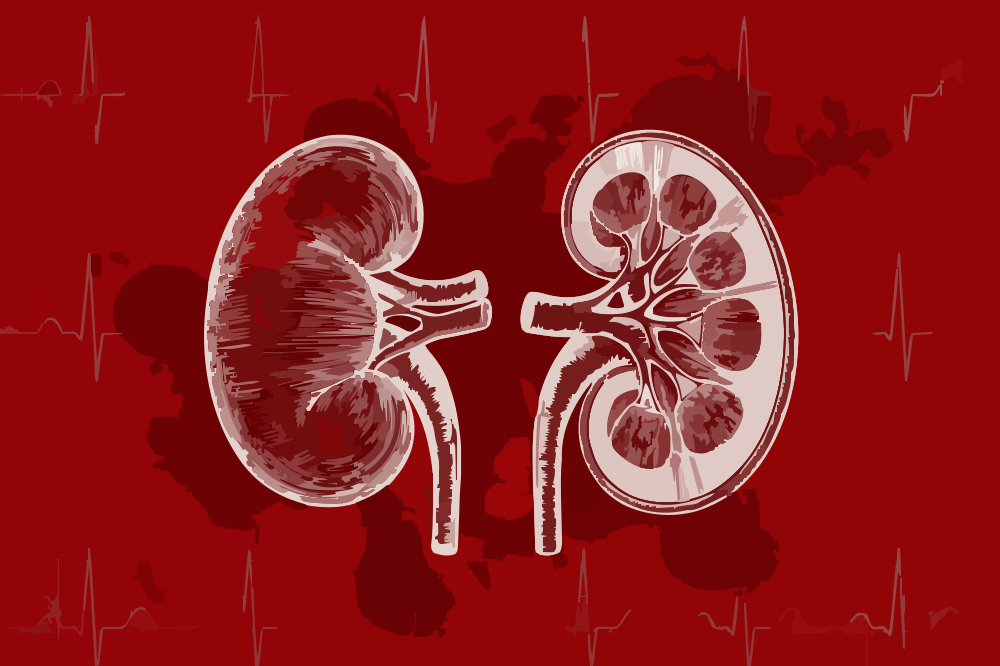
Types of disease
In chronic kidney disease, the work of the kidneys — filtering the blood and sending waste products out in the urine — gradually declines. The main causes are diabetes, high blood pressure, and chronic inflammation of the kidneys. At the final stage, kidney failure, either dialysis (attending a hospital about three times a week to purify the blood) or a kidney transplant becomes necessary.
Where treatment stands today
[In clinical use] Medicines that slow progression: On the foundation of salt reduction and blood-pressure management, medicines that protect the kidneys (originally developed as diabetes treatments) have in recent years come to be used widely for patients without diabetes as well. The earlier they are started, the further the move to dialysis can be postponed.
[In trials] Xenotransplantation: pig kidneys into people: To resolve the chronic shortage of donors, clinical trials have begun in the United States transplanting genetically modified pig kidneys into people. There are cases in which one functioned for several months; on the other hand, there are also cases in which it had to be removed because of rejection, and the long-term safety and effectiveness are still being determined.
Liver cirrhosis and fatty liver (MASH)
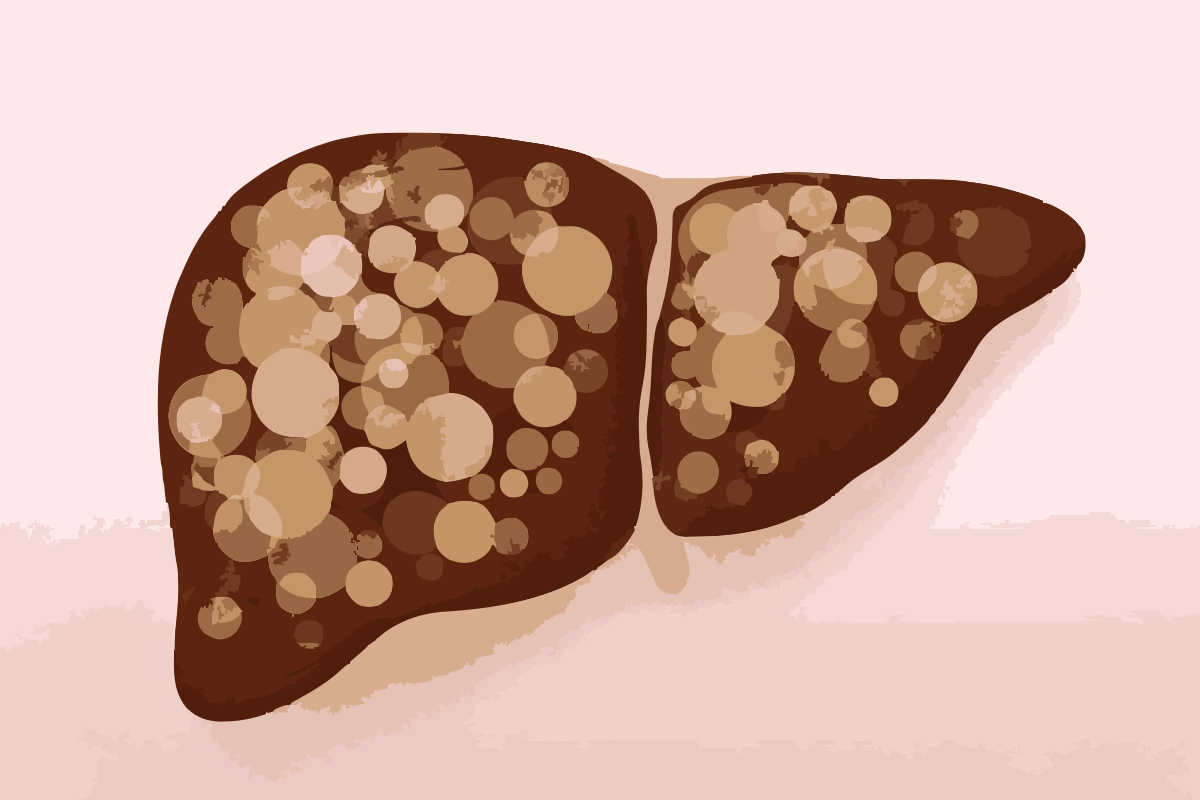
Types of disease
Besides the hepatitis B and C viruses and drinking alcohol, fatty liver — fat building up in the liver even in people who do not drink — is increasing. The severe state in which inflammation has been added to fatty liver is called MASH.
When chronic inflammation continues, the liver gradually hardens — a process called fibrosis (five stages, F0 to F4) — and the final stage, F4, is liver cirrhosis. Once cirrhosis develops, the risk of liver cancer rises, and when symptoms such as ascites (fluid in the abdomen) and jaundice (the skin and the whites of the eyes turning yellow) begin to appear, it becomes life-threatening.
Where treatment stands today
Treating the cause: Hepatitis C can be eliminated with oral medicines, and hepatitis B, too, can be held down with medicines. For fatty liver, weight loss is the foundation.
[In clinical use] A medicine that improves the fibrosis of MASH (semaglutide): For MASH one step before cirrhosis (stages F2 to F3), a treatment drug was approved in Japan for the first time in 2026. In the United States, another medicine (resmetirom) is also used (not approved in Japan).
[In trials] A medicine that improves liver cirrhosis (F4) (efruxifermin): There is as yet no medicine that restores a liver that has already advanced to cirrhosis, and if the condition worsens, a liver transplant is the only road to a cure. To break through that wall, a final trial of a medicine that makes use of a hormone in the body is under way. In trials so far, some people who used it over the long term saw their liver stiffness improve by one stage, while in about 70 percent no effect was seen. The final results are expected around 2030.
Latest news on liver cirrhosis and fatty liver
2026-11-06 · Fight Aging!
Exploring Cellular Senescence's Role in Fatty Liver Disease2026-11-04 · Fierce Biotech
Madrigal Faces Whistleblower Lawsuit Over Rezdiffra Safety Claims
Diseases of the mind (mental illness)
Schizophrenia: In 2024, a new medicine, Cobenfy — which works through a different mechanism from dopamine (muscarinic receptors) — was approved in the United States. However, in a trial of adding it on top of existing medicines, it did not meet its primary endpoint.
Depression: Esketamine, used as a nasal spray, is not yet approved in Japan, and clinical trials are under way there. For depression that responds poorly to medicines, there is also a treatment that stimulates the brain with magnetism (repetitive transcranial magnetic stimulation, or TMS), which is used in Japan under health insurance.
Psilocybin, known as the active ingredient of magic mushrooms, is in trials overseas for depression and has met the primary endpoint of a late-stage trial; in Japan it is illegal, and it is not approved as a treatment.
If you are having a hard time, please do not carry it alone. You can talk with someone at the Yorisoi Hotline (0120-279-338, 24 hours, free of charge) or Inochi no Denwa (0570-783-556).
This page is for information only and is not medical advice.