The "immortality" this page talks about is not magically ceasing to die. It means reaching longevity escape velocity (LEV).
Futurists and researchers have made different predictions about when that arrival will come. Who predicted what, for when, and on what grounds — here is the list, including how the predictions themselves have changed over time.
Longevity escape velocity (LEV) = the state in which, thanks to medical progress, life expectancy grows by more than a year for every year you live. On this site, reaching it is what we mean by "the achievement of immortality."
Note: "arrival" means different things to different people. This page distinguishes, with coloured labels, between "the year LEV is reached" and "the year we effectively stop dying, through treatment and technology."
Listed in order of predicted year, earliest first.
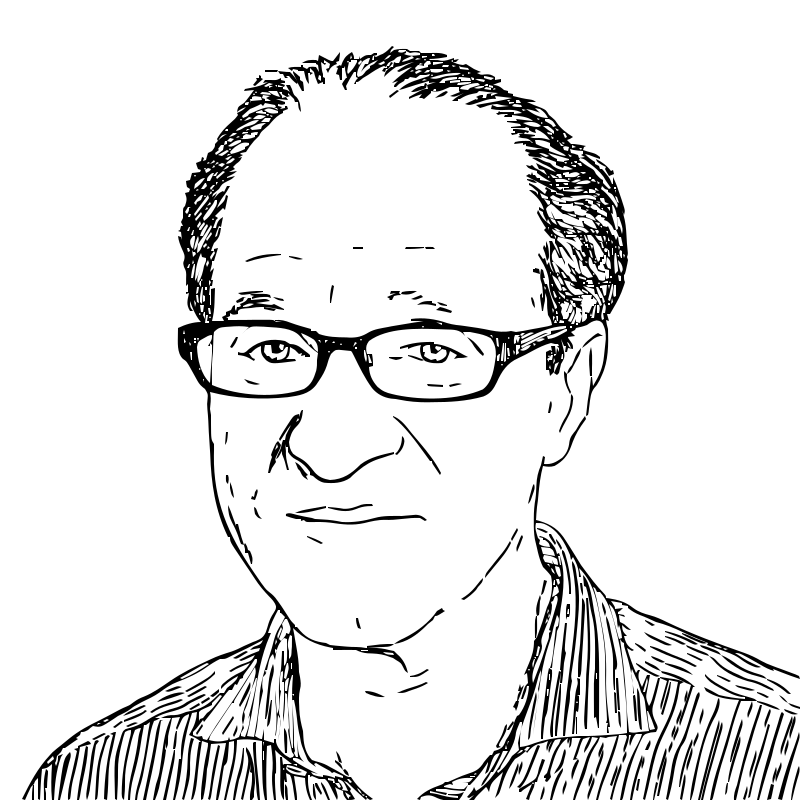
Ray Kurzweil
Futurist; Principal Researcher at Google. Author of The Singularity Is Nearer and other books.
Technological progress does not advance in a straight line; it accelerates exponentially (the law of accelerating returns). On Kurzweil's estimate, even today's medicine already extends life expectancy by about four months for every year we live. As that pace accelerates, he calculates, around 2029 it crosses the tipping point of "more than a year of life expectancy gained per year lived." This site's own definition rests on the same idea.
"By 2029, you'll get back a full year. … Past 2029, you'll get back more than a year."
How the prediction changed: In 2018 it was "2028–2030 (ten to twelve years away)" → revised to "2029–2035" in his 2024 piece for The Economist → in a March 2025 talk he mentioned "around 2032." This page uses the 2024 revised range.
Do not confuse: The "2045" he advocates is his prediction for the Singularity — human and AI intelligence merging — not a year for reaching LEV, so it is kept out of the timeline.
Source: The Economist, "Ray Kurzweil on how AI will transform the physical world" (2024-06-17); The Singularity Is Nearer (2024-06-25); Bessemer Venture Partners interview (2024)

Peter Diamandis
Founder of the XPRIZE Foundation; co-founder of Singularity University.
Less a researcher than an evangelist who inherited Kurzweil's theory and carries it to the world. He runs the XPRIZE prize competitions and keeps telling entrepreneurs and investors that longevity will soon be a technology within reach. "LEV by 2033" is the slogan he repeats across his talks and books. At the 2024 Abundance Summit, he also left a conditional, earlier claim: that people who are healthy and financially comfortable could arrive by the end of 2030.
"My mantra is LEV by 2033."
Source: His essay "Humanity Is About to Fork"; statements on the Moonshots podcast
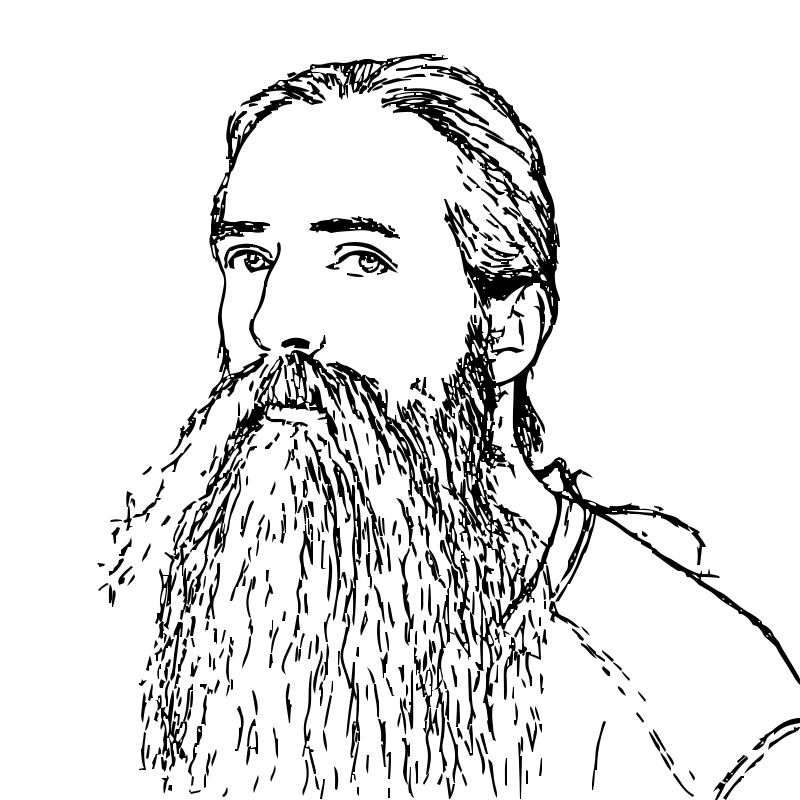
Aubrey de Grey
Biogerontologist; head of the LEV Foundation.
The originator of the very concept and name "longevity escape velocity (LEV)," proposed in a 2004 paper. He sees aging as damage accumulating inside the body, and argues that treatments which periodically repair that damage will free us from the disorders that come with age (he calls the state after arrival, in his own coinage, "Methuselarity"). He is the only person on this list who puts a number on the uncertainty — a 50% probability — and that caution is itself a yardstick for reading the others' predictions. He dislikes calling his own work "immortality," so this page classifies his as a pure LEV-arrival prediction.
"I now think there is a 50% chance that we will reach longevity escape velocity by 2036."
Source: Remarks in "Defeating Aging by 2036" (2021-04-09); he has repeated the same view since
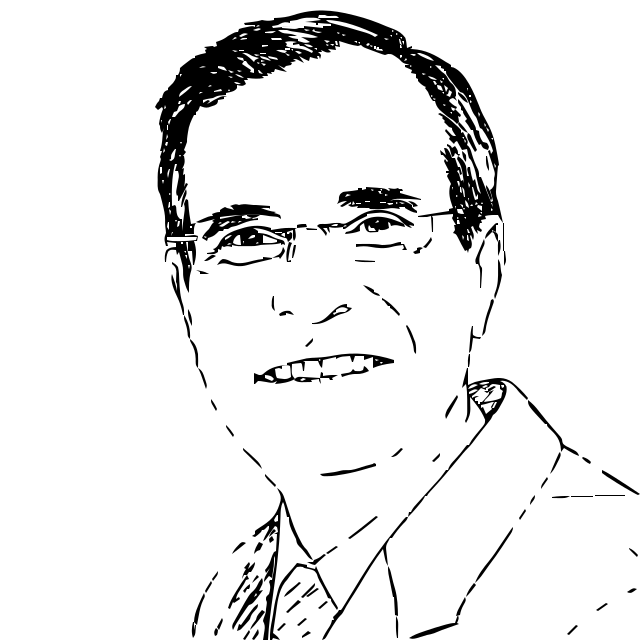
José Luis Cordeiro
Futurist; founding fellow of Singularity University. Author of The Death of Death (2018, with David Wood).
By 2045, he declares, rejuvenation treatments will make aging fully treatable, and — accidents aside — "death will become something you choose for yourself." This is not a prediction of reaching LEV; it is a prediction that aging will be completely overcome. It is also entirely different from Kurzweil's "2045 (the Singularity)."
"Death will be optional by 2045." / "I have chosen not to die."
Note: Elsewhere he has also said that "LEV will be reached in 2030," but the timeline carries only 2045, the year he argues most strongly in his main book.
Source: The Death of Death launch announcement (Barcelona, April 2018); interview with the author (immortalis)
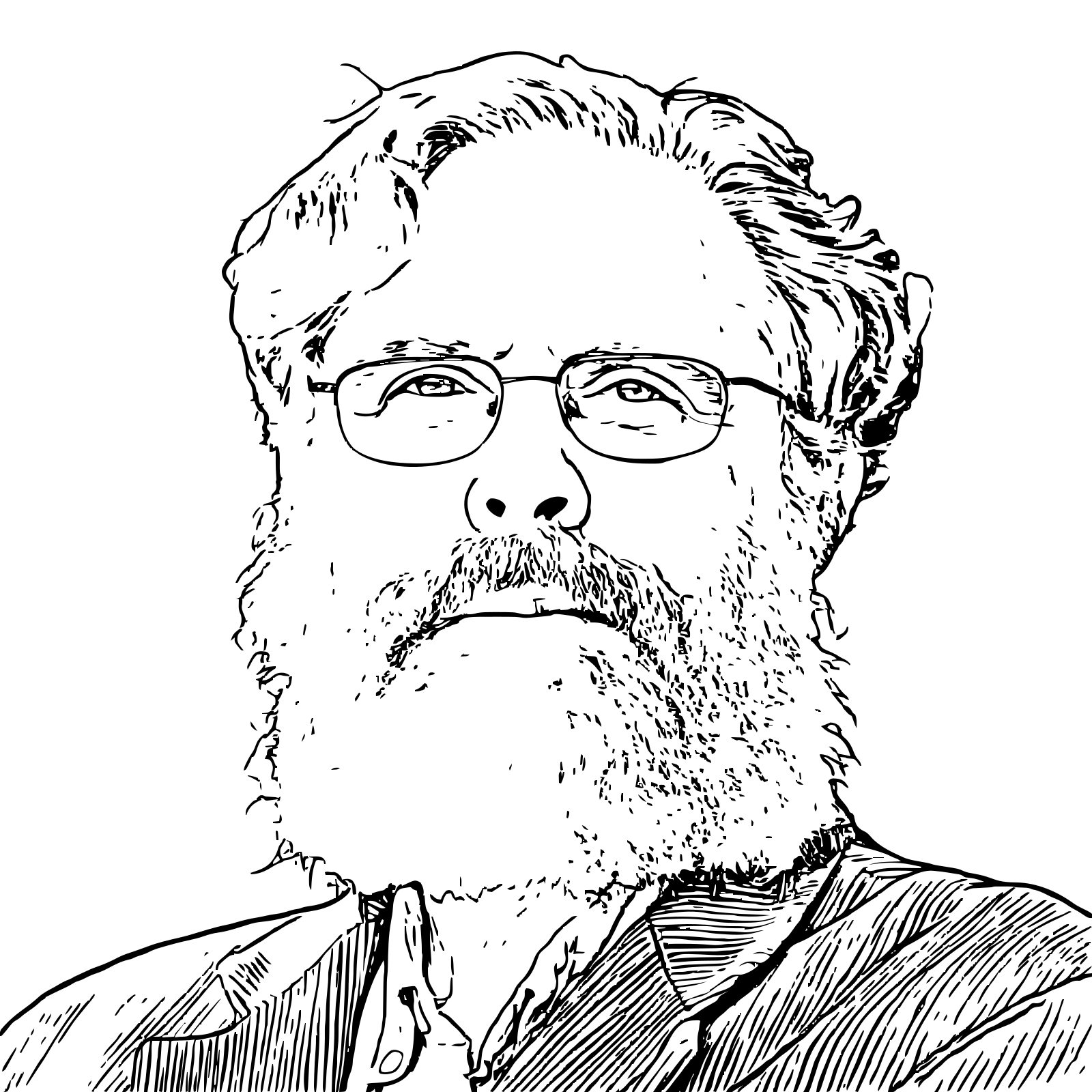
George Church
Professor of Genetics at Harvard Medical School. A leading figure in synthetic biology who has driven the reading, synthesis and editing of genomes.
On a 2025 podcast he was asked directly: by what year would we have to survive for life expectancy to start growing by more than a year per year (= LEV)? "I wouldn't be surprised if 2050 were that point," he answered. His grounds: the exponential progress of biotechnology, and partial reversals of aging (rejuvenation) beginning to enter clinical stages. At the same time, his is the prediction on this list with the strongest caveat attached — he asks for it to be taken with the largest discount of all.
"I wouldn't be surprised if 2050 would be a point."
"All those estimates, including mine, are going to be taken with a big grain of salt."
Source: Dwarkesh Podcast, "George Church — A Billion Years of Evolution in a Single Afternoon" (published 2025-08-15)
Ian Pearson
British futurist; formerly in charge of futurology at BT, the British telecoms group.
He flies the same "2050" as Church, but the content is entirely different. His definition of "a state of almost not dying" includes not only genetic engineering but android prosthetic bodies and the "digital transfer of consciousness" into computer space. He also focuses not only on when the technology arrives but on who gets to use it: in 2050 it will be limited to the wealthy, he predicts, and will not spread to the middle class until the 2060s. His statements come mainly through British tabloid newspapers, so their scholarly reliability should be rated as middling.
"By 2050, it will only really be for the rich and famous."
Source: British media reports on his February 2018 statements (Daily Express and others)
The predictions are as each person stated them at the time; sources are given in each entry.