
← All eight fields

Immune Engineering & Cancer Control

Advancing45%

This field maintains and restores the "immune power" that declines with age, and holds down the chronic inflammation that underlies cancer and aging. Some of its drugs are already in practical use in cancer treatment, while the "rejuvenation of immunity itself" is still to come.

A guard cell holding a shield, standing in front of a spiky cancer cell

1. What is this field?

From around our fifties, colds drag on longer, shingles becomes more likely, and vaccines work less well. This is because the thymus, which raises new immune cells (T cells), shrinks with age and the power of immunity as a whole falls — immune aging advances. On top of that, a faint inflammation that keeps smoldering inside the body (inflammaging) damages tissue little by little and creates an environment in which cancer arises easily.

Research drawing particular attention in this field works the "two brakes" on immunity, freely.

Releasing the "brake switch (PD-1)" that cancer abuses: on the surface of immune cells there is a switch (PD-1) that prevents them from running wild. Cancer cells press this switch on their own and escape immune attack. Drugs that release this brake and restore the original attacking power (immune checkpoint inhibitors) are already used in medical practice.

Working the immune system's "brake cells (regulatory T cells)": these cells calm immunity so that it does not mistakenly attack the body itself. When too many of them gather around a cancer, even the attack on the cancer is held down. If this brake could be adjusted well, in reverse, it would become possible to raise the attacking power against cancer, or to hold down autoimmune diseases and rejection in organ transplants.

2. Where the research stands

Readiness score: 45 out of 100 (0 = still at the idea stage, 100 = a treatment anyone can receive)

45%

Status: advancing.

+ Frontline

In practical use as cancer drugs: brake-releasing drugs (such as Opdivo) have become one of the standard treatments for lung cancer and malignant melanoma, among others, and have produced cases of long-term survival that were difficult with conventional anticancer drugs.

Two Nobel Prizes for discoveries from Japan: the discoveries that form this field's foundation — the discovery of PD-1 (2018, Tasuku Honjo) and the discovery of regulatory T cells (2025, Shimon Sakaguchi) — both received the Nobel Prize in Physiology or Medicine.

More than 200 trials under way worldwide: more than 200 clinical trials applying the brake cells (regulatory T cells) to treat cancer and immune diseases are in progress around the world.

− Remaining challenges

They still work for only about 20–30%: today's immune checkpoint inhibitors work in only about 15–30% of patients in many solid cancers. Cancers that immune cells have difficulty reaching inside, such as pancreatic cancer, and cases in which a drug stops working along the way, are also challenges.

Adjusting the accelerator and the brake is difficult: strengthen immunity too much, and side effects occur in which even healthy organs are attacked (autoimmune reactions). A delicate balance is required — preventing infection and cancer while not harming one's own body.

Rejuvenating immunity is not yet reached: attempts to rejuvenate the aged immune system itself, such as regenerating the thymus that has shrunk with age, are still at the stage of animal experiments and early research, and effects in humans have not been proven.

Parts have reached patients as cancer medicines, but the field has not advanced to treating aging itself. It stands in between.

If immunity's power can be kept in a young state, the body stays able to resist cancer and infection even as it ages. The further this field advances, the closer the day of longevity escape velocity (LEV) — the state in which life expectancy grows faster than aging itself — comes. This site projects that point could be reached as early as 2061.

3. The researchers

Here are two central researchers who built this field.

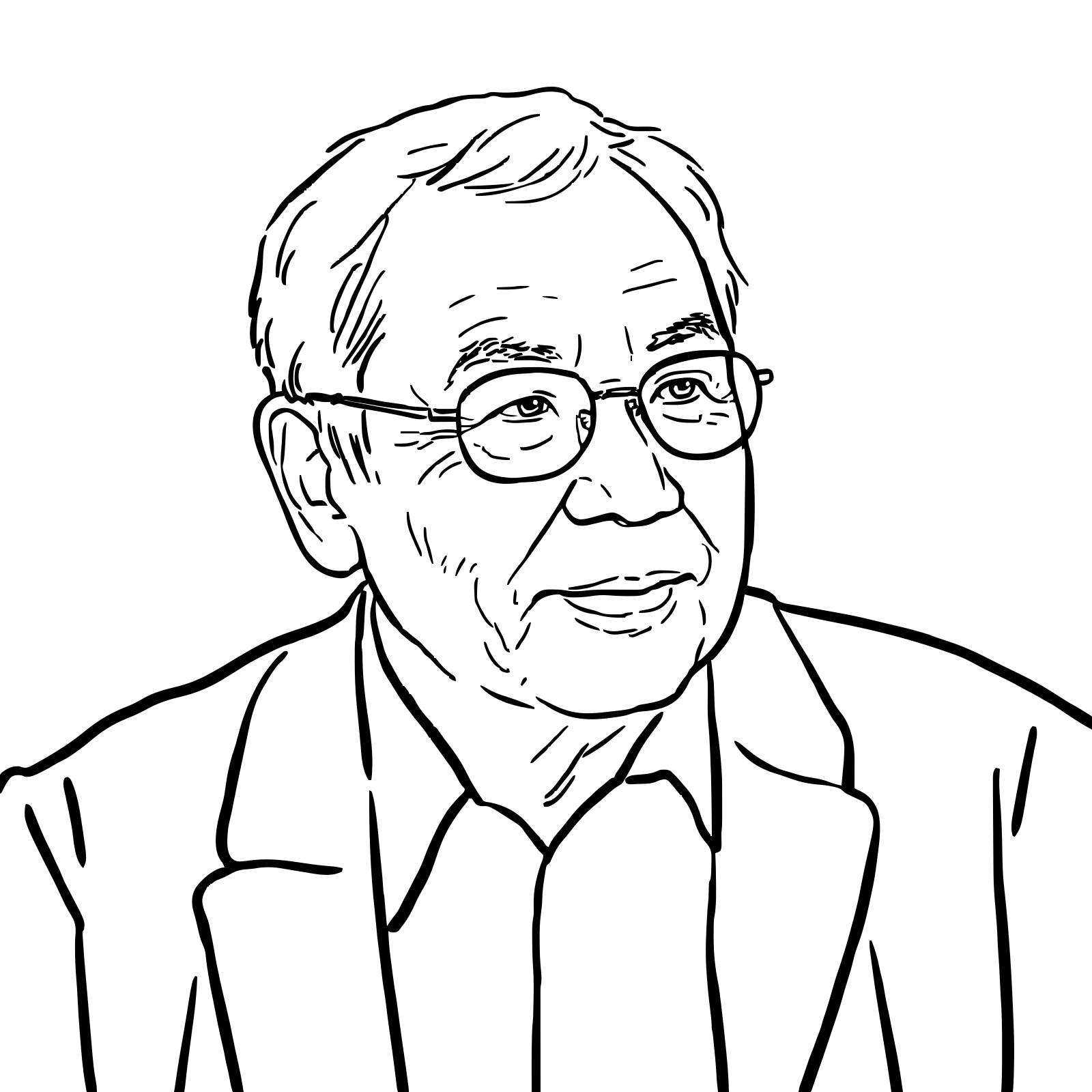
Illustration of Shimon Sakaguchi

Shimon Sakaguchi

Distinguished Honorary Professor, Osaka University / Specially Appointed Professor, Immunology Frontier Research Center (IFReC)

Sakaguchi discovered the regulatory T cells that hold back immunity's runaway, and received the Nobel Prize in Physiology or Medicine in 2025. When he identified their existence in 1995, many voices were skeptical, but in 2003 he identified the key gene (Foxp3) and rewrote the common sense of immunology worldwide. In cancer treatment, reducing these cells to raise attacking power — and in autoimmune disease and organ transplantation, increasing them instead to hold down rejection — is expected to find wide medical application.
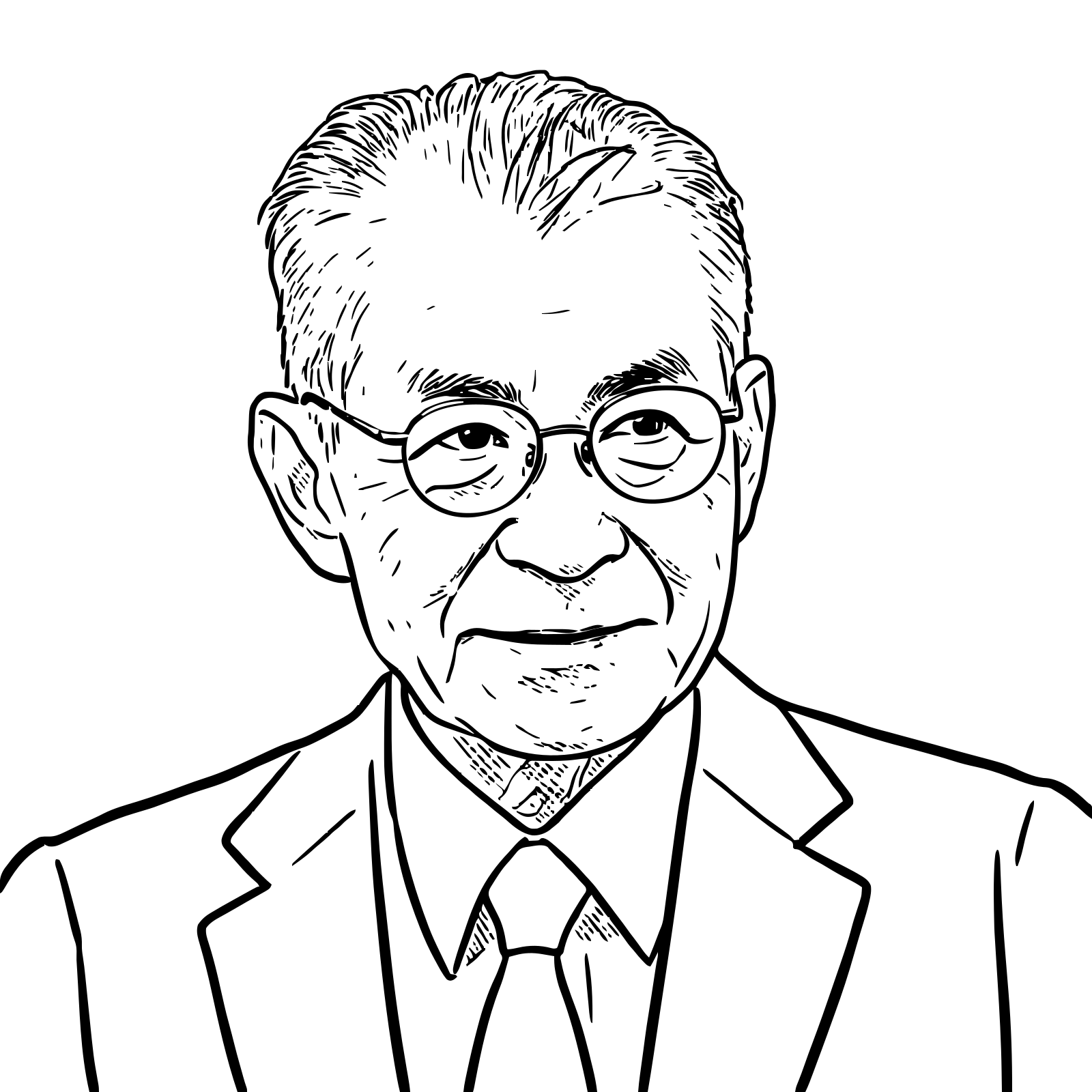
Illustration of Tasuku Honjo

Tasuku Honjo

Distinguished Professor, Kyoto University Institute for Advanced Study / Director, Center for Cancer Immunotherapy and Immunobiology

Honjo discovered PD-1, the brake switch of immune cells, in 1992, and received the Nobel Prize in Physiology or Medicine in 2018. Rather than "striking cancer directly with a drug," he opened an entirely new road for cancer treatment — releasing the brake on the patient's own immunity and letting it fight — and produced the drug Opdivo (approved in 2014). He speaks of the outlook that, as immunotherapy advances, cancer could become a "chronic disease" that people live with for life while holding its growth down, even without erasing it completely.

4. Related news

For informational purposes only. Not medical advice.